IVEX Engineering CO., LTD.
  • Language
    • English
    • 繁體中文
    • 简体中文
  • HOME
  • ABOUT
  • NEWS
  • PRODUCTS
    • Springs
      • Cantilever Spring
      • Helical Spring
      • Canted Coil Spring
  • CATALOGUE
  • VIDEO
  • CONTACT

NEWS

  1. HOME
  2. NEWS
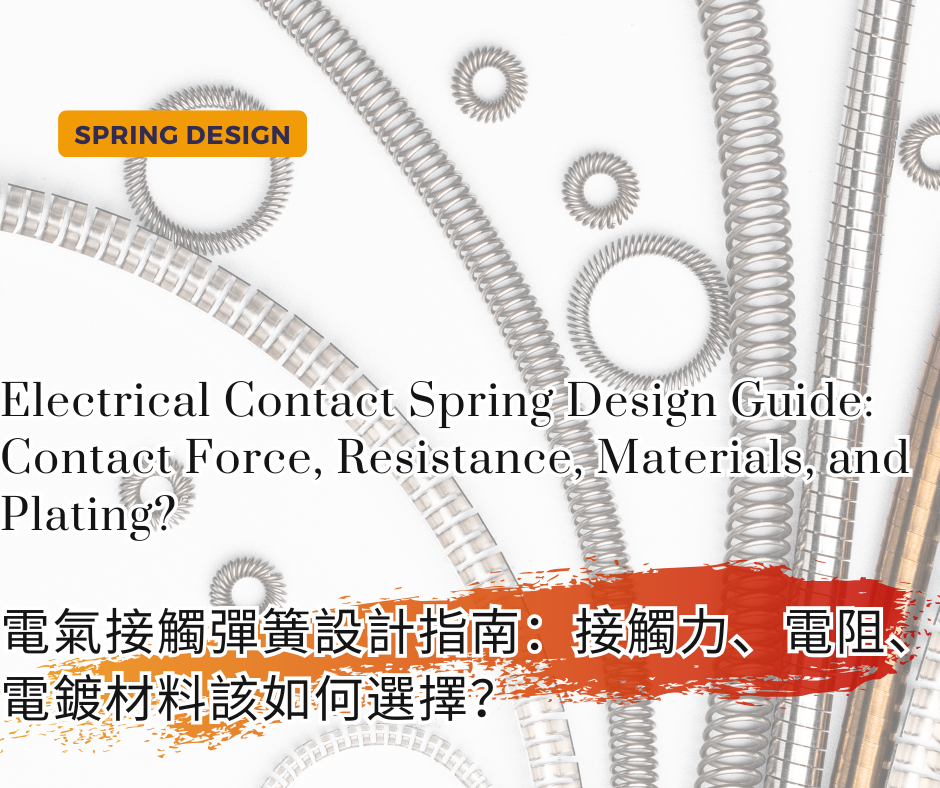
Electrical Contact Spring Design Guide: Contact Force, Resistance, Materials, and Plating
READ
2026-08-26

Electrical Contact Spring Design Guide: Contact Force, Resistance, Materials, and Plating

Electrical contact performance is often treated as a material problem. Choose a highly conductive alloy, add a conductive plating, and the connector should perform well. In practice, reliable electrical contact is much more complex. A contact interface must remain mechanically stable while carrying current. The spring has to maintain sufficient contact force despite manufacturing tolerances, thermal expansion, vibration, repeated insertion, surface wear, and environmental exposure. If the mechanical interface changes, the electrical performance changes with it.
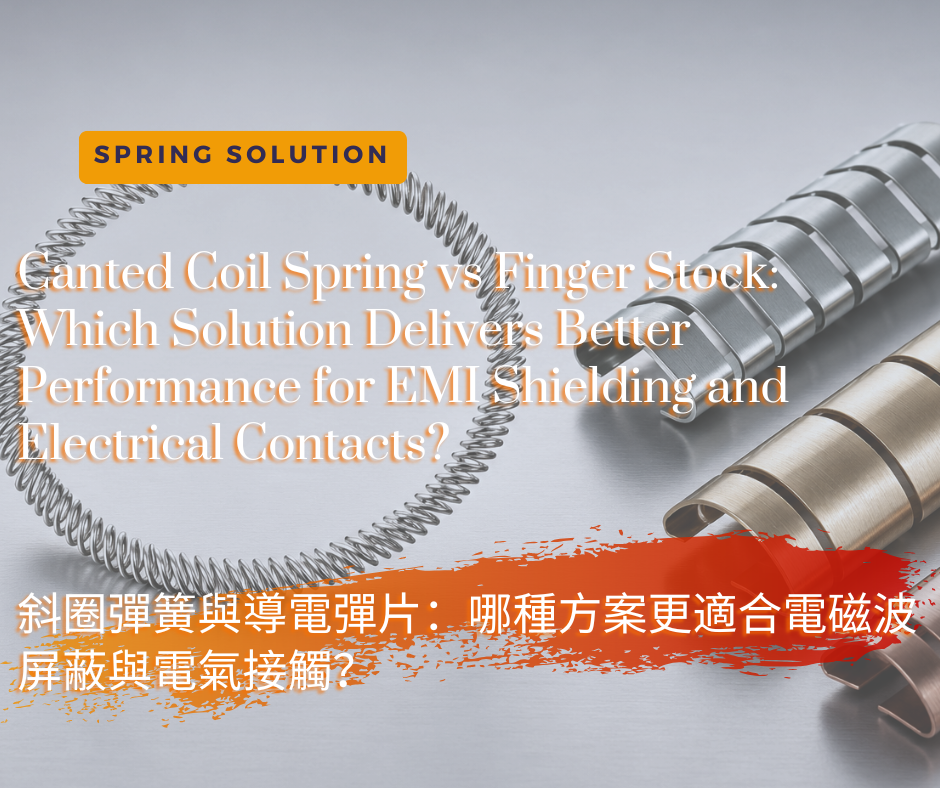
Canted Coil Spring vs Finger Stock: Which Solution Delivers Better Performance for EMI Shielding and Electrical Contacts?
READ
2026-07-22

Canted Coil Spring vs Finger Stock: Which Solution Delivers Better Performance for EMI Shielding and Electrical Contacts?

Compare Canted Coil Springs and Finger Stock for EMI/RFI shielding, electrical contact reliability, connector retention, vibration resistance, fatigue life, and high-current applications. Learn how Ivex Engineering helps engineers select the right precision spring solution.
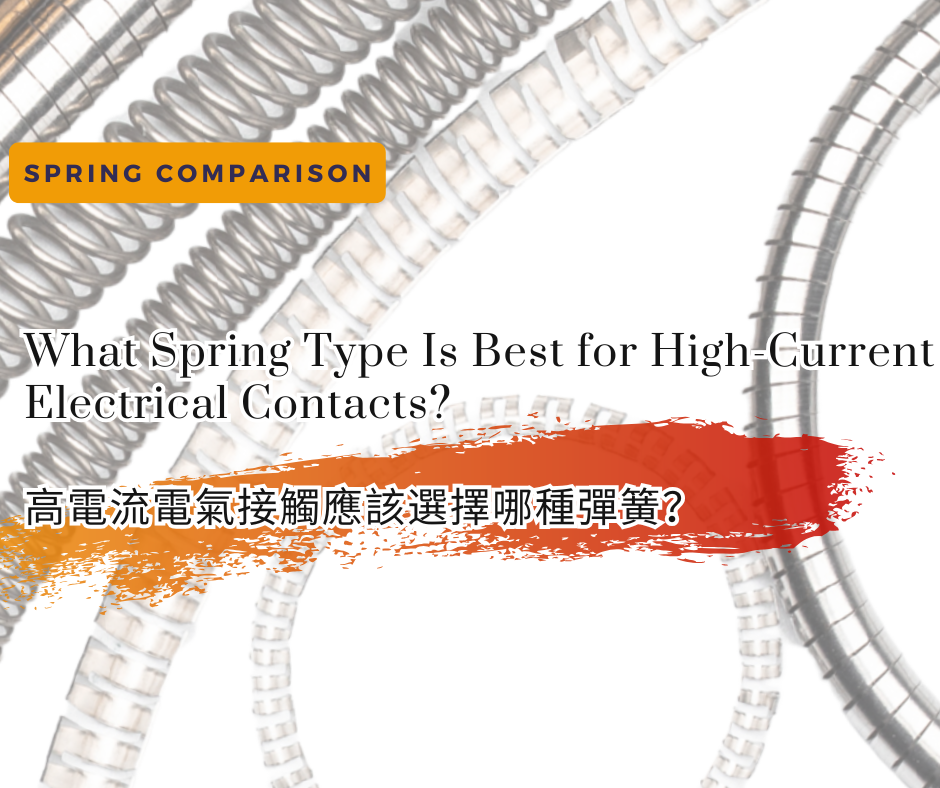
What Spring Type Is Best for High-Current Electrical Contacts?
READ
2026-05-20

What Spring Type Is Best for High-Current Electrical Contacts?

n high-current electrical systems, maintaining stable, low-resistance contact is critical for safety, efficiency, and long-term reliability. Applications such as EV battery connectors, power distribution units, industrial robotics, and energy storage systems all rely on consistent electrical contact under demanding mechanical and thermal conditions. However, one of the most overlooked design decisions is this: Which spring type should be used to maintain electrical contact under high current loads? Choosing the wrong spring can lead to overheating, voltage drop, contact failure, and premature system degradation.
What Causes High Contact Resistance in Electrical Connectors?
READ
2026-05-06

What Causes High Contact Resistance in Electrical Connectors?

In modern electrical systems, maintaining low and stable contact resistance is critical for performance, efficiency, and long-term reliability. From EV battery systems to industrial connectors and power distribution units, even small increases in contact resistance can lead to overheating, energy loss, and system failure. Yet in real-world applications, many connector designs experience rising contact resistance over time. Understanding the root causes of this issue is the first step toward designing more reliable electrical interfaces.
Constant Force Spring vs Canted Coil Spring: Key Differences
READ
2026-04-29

Constant Force Spring vs Canted Coil Spring: Key Differences

When designing for reliable mechanical performance and stable electrical contact, selecting the right spring type is critical. Two commonly considered options in advanced engineering applications are constant force springs and canted coil springs. While both can deliver controlled force output, their working principles, performance characteristics, and ideal applications differ significantly. Understanding these differences helps engineers choose the right solution for long-term reliability, especially in demanding environments.
Why Your Connector Design Fails in the Field ? (And How Springs Fix It)
READ
2026-04-15

Why Your Connector Design Fails in the Field ? (And How Springs Fix It)

In controlled lab environments, connector designs often perform exactly as expected. Contact resistance is stable, insertion force is within specification, and durability targets appear achievable. Yet once deployed in real-world conditions, many connectors begin to fail—sometimes gradually, sometimes unexpectedly. Understanding why connector designs fail in the field is critical for engineers aiming to improve reliability, reduce warranty costs, and ensure long-term performance. In many cases, the root cause is not the connector housing or contact material—but the spring system inside it.
  • 1
  • 2
  • 3
  • 4

IVEX Engineering CO., LTD.

  • 18 F., No. 370, Meishu E. 4th Rd., Gushan Dist., Kaohsiung City 804102, Taiwan
  • 886-7-7870778
  • 886-7-7882975
  • contact@ivexengineering.com

Follow Us

© 2025 IVEX Engineering CO., LTD. All Rights Reserved.
Designed by Lets Media
  • HOME
  • ABOUT
  • NEWS
  • PRODUCTS
    • Springs
      • Cantilever Spring
      • Helical Spring
      • Canted Coil Spring
  • CATALOGUE
  • VIDEO
  • CONTACT